


Introduction: Advancing Skills for Practical Application
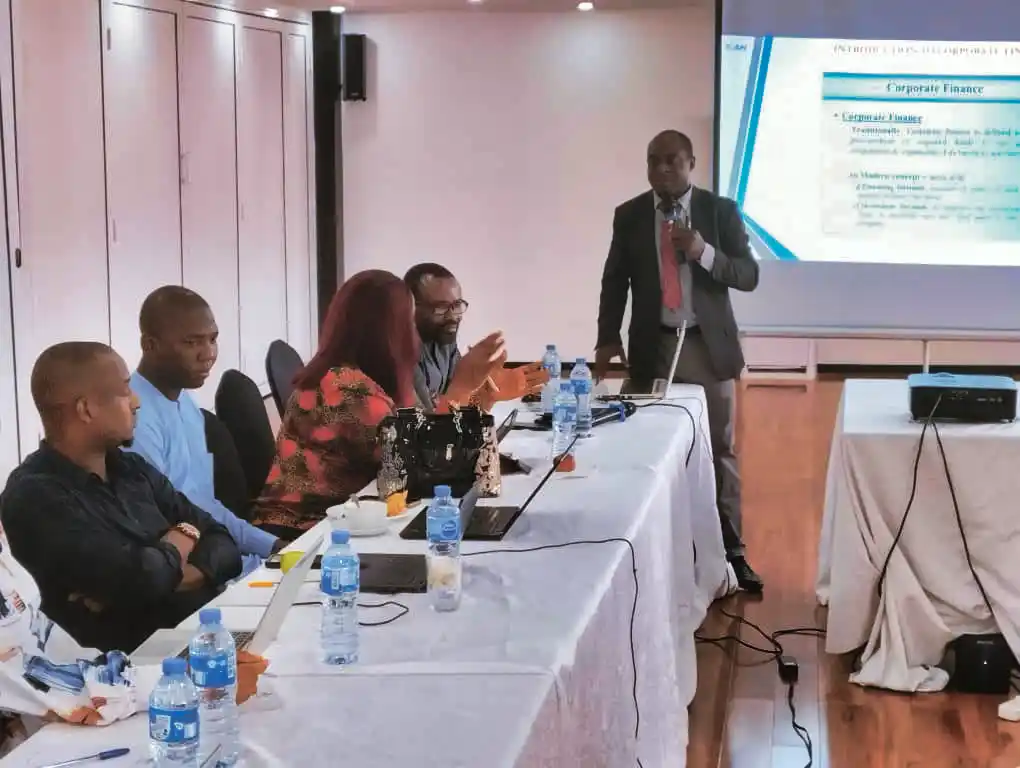
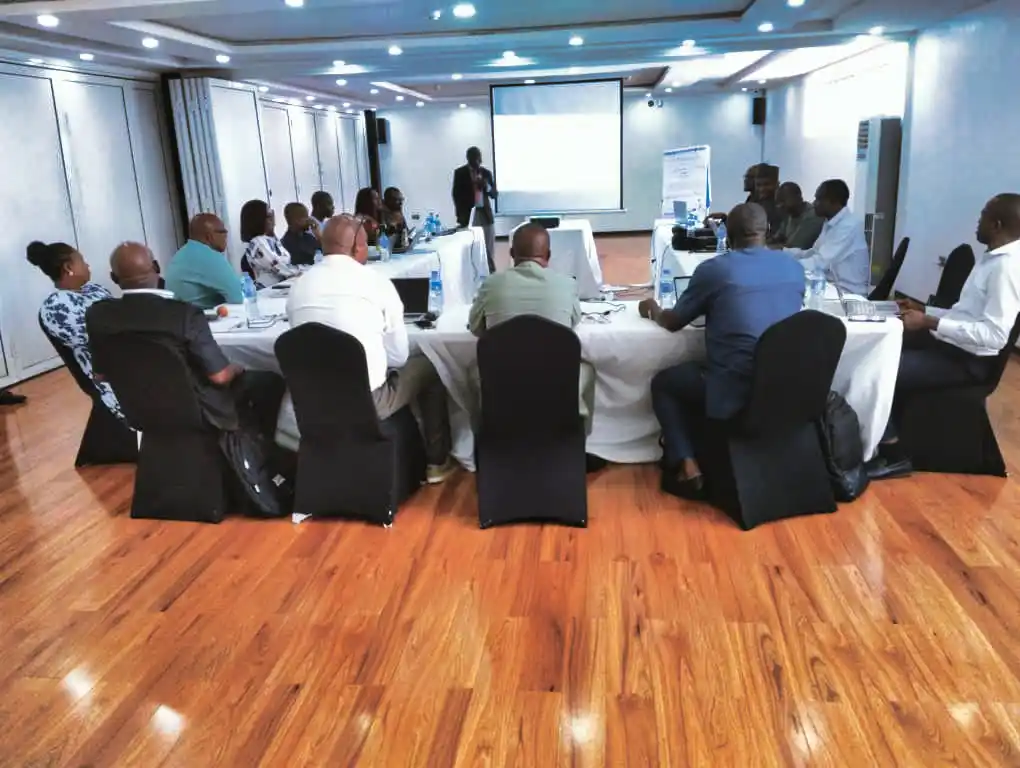
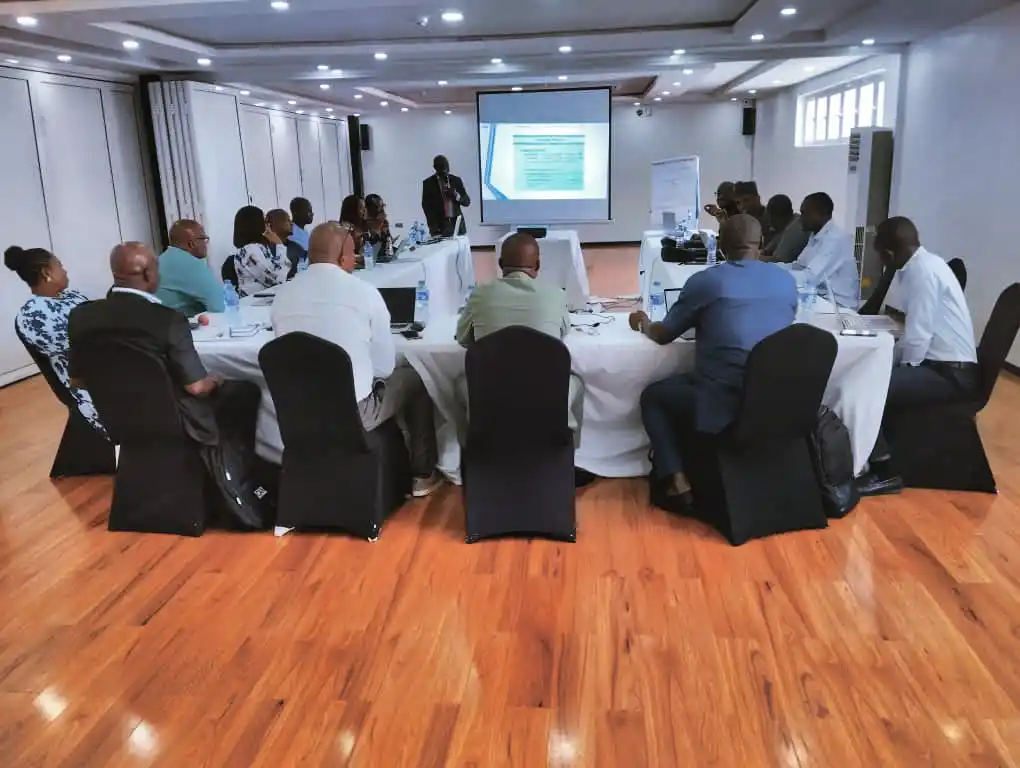
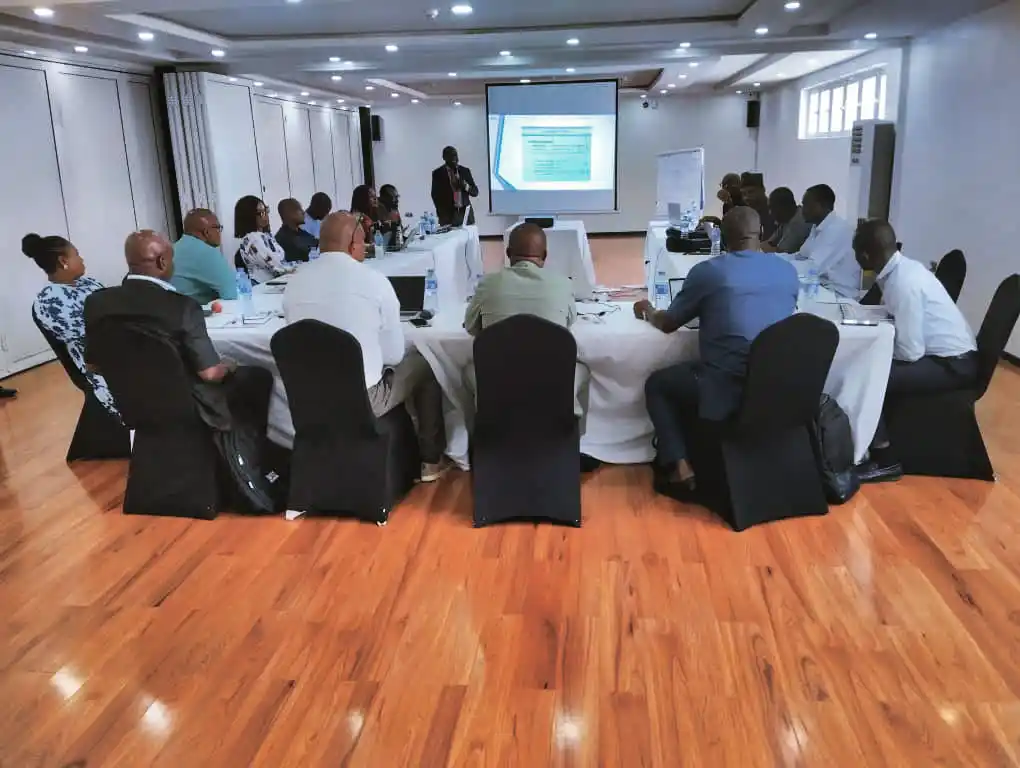
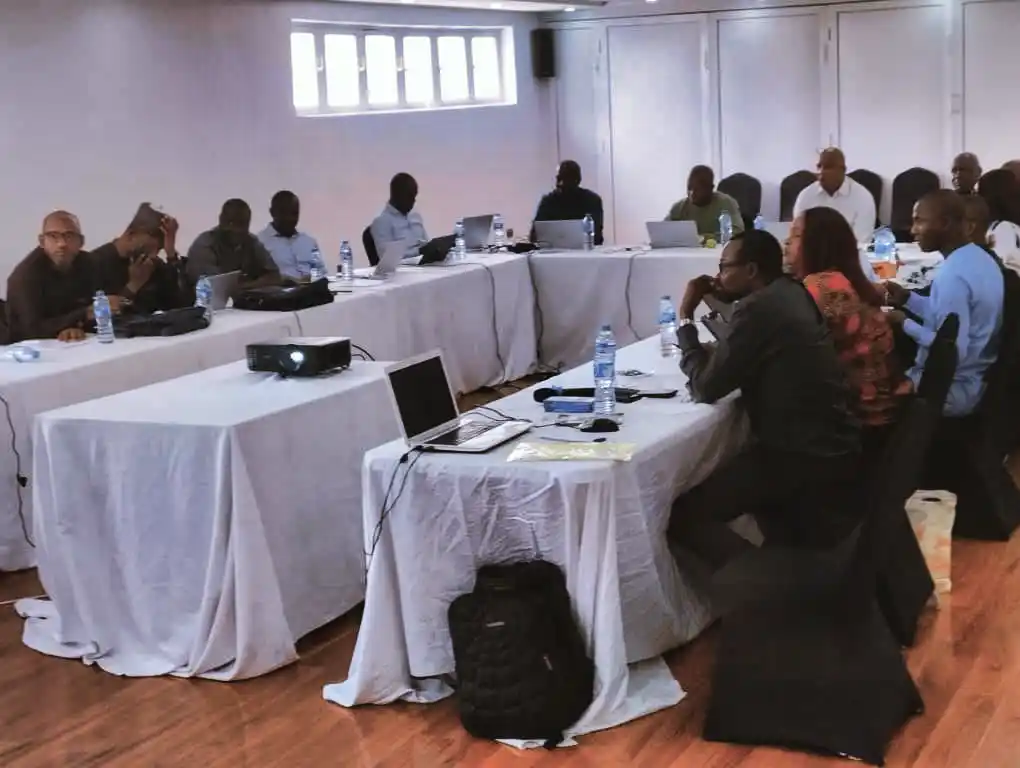
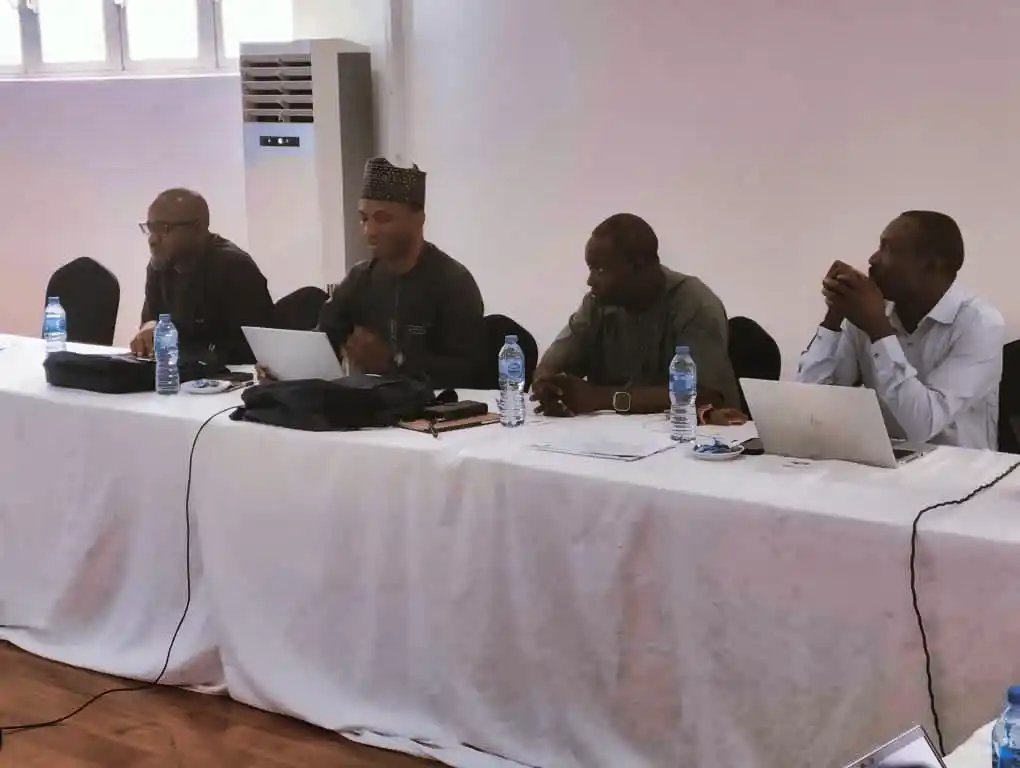
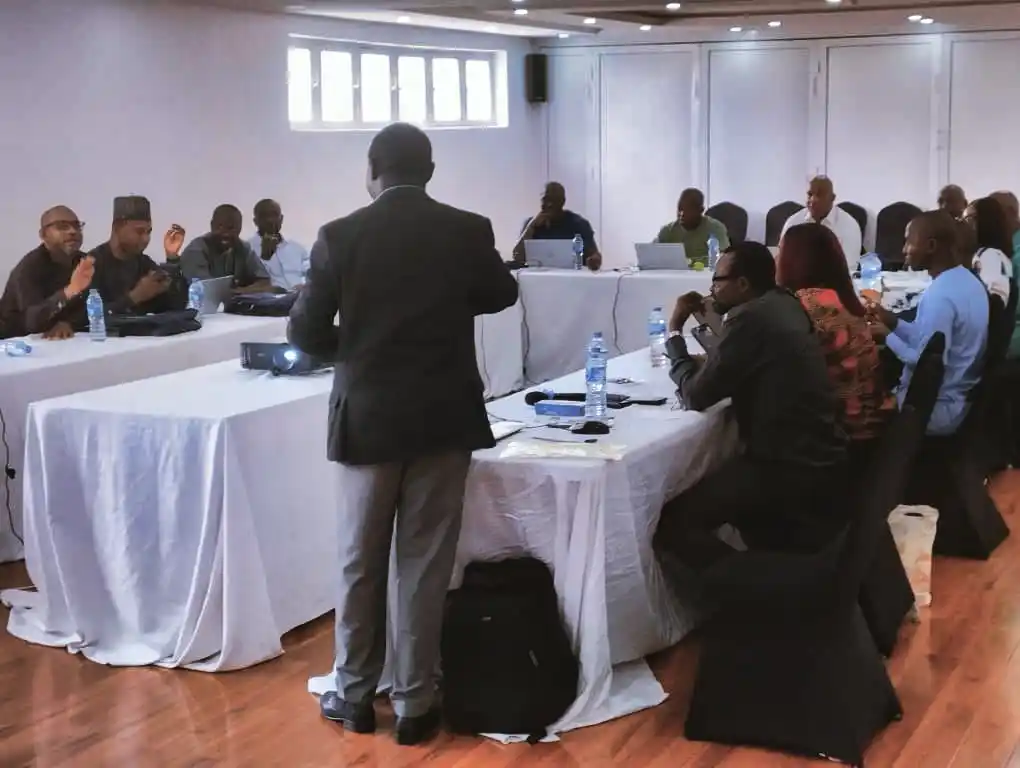
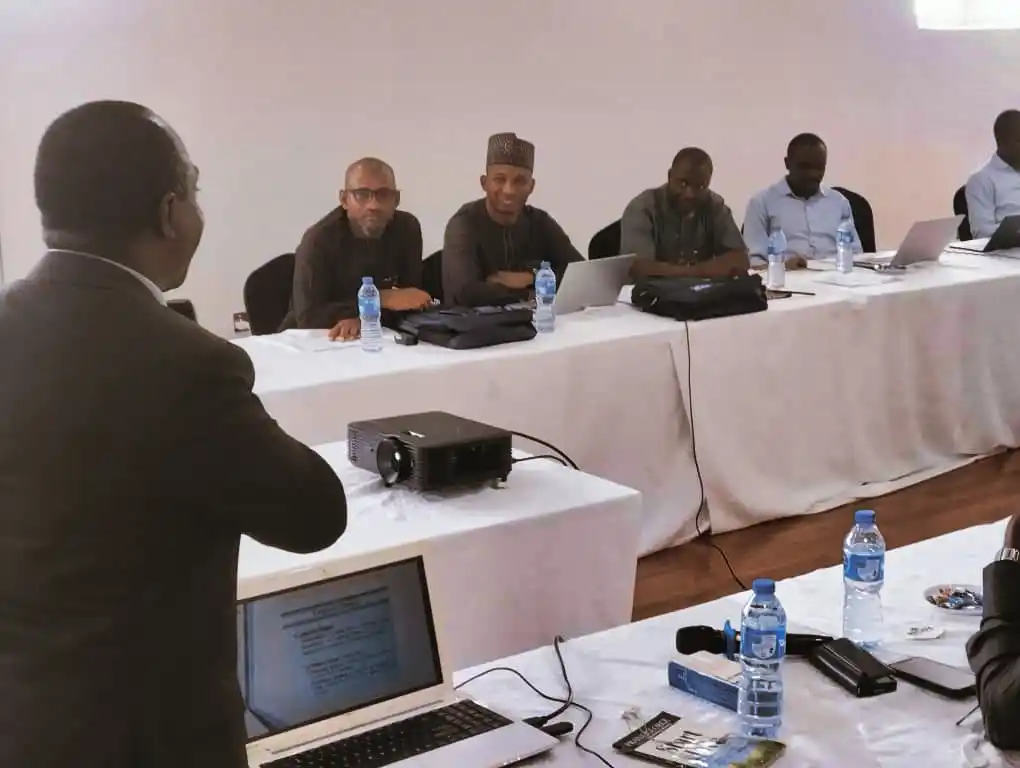
Following a successful first day of foundational learning, Day 2 of the IPSAS training for the Niger Delta Development Commission (NDDC) was dedicated to advancing the participants’ skills into more complex and practical areas of financial reporting. The sessions, held on December 11th, 2024, were designed to build upon the core principles of IPSAS, providing the tools needed for comprehensive and fully compliant reporting. The focus shifted from the “what” to the “how,” ensuring that NDDC’s finance professionals could confidently apply these global standards.
Session 4: Statement of Changes in Net Assets/Equity – Tracking the Growth of Public Wealth
Led by Oluwaseun Ogunmodede (BSc., FCA)
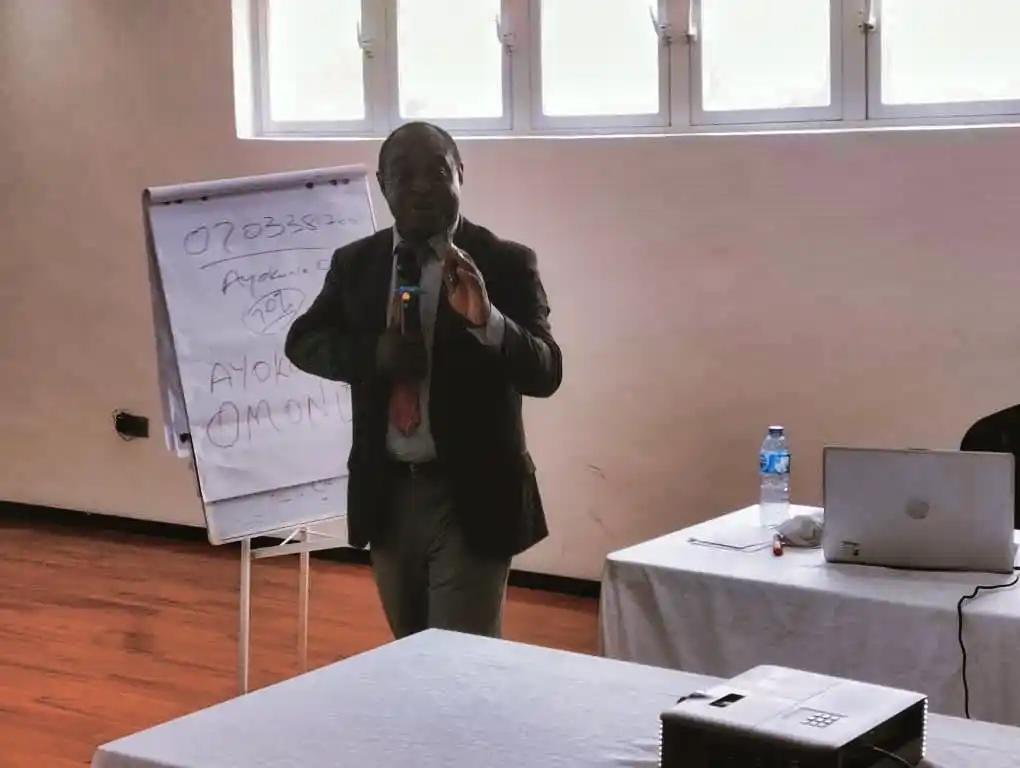
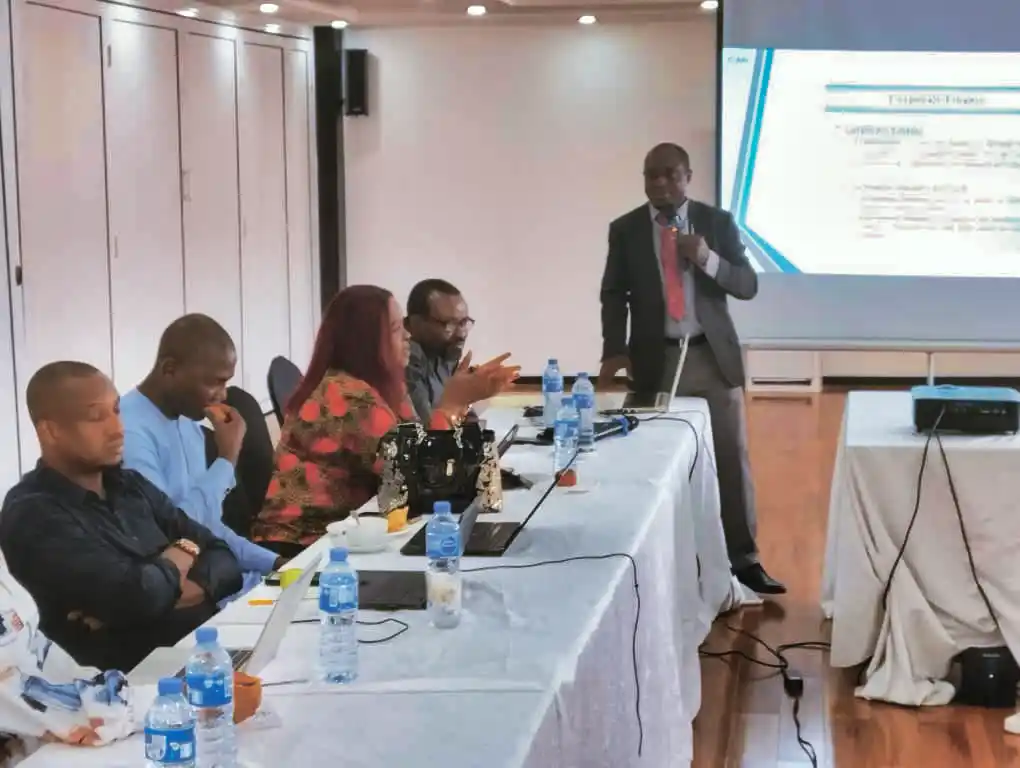
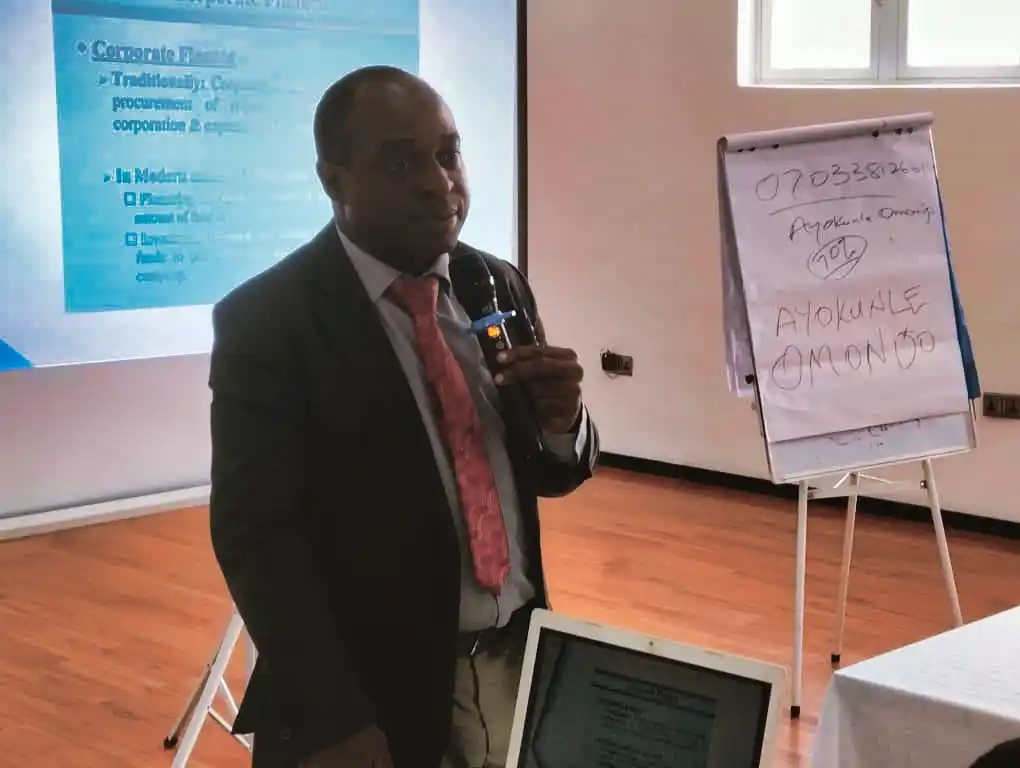
Oluwaseun Ogunmodede opened Day 2 with a detailed exploration of the Statement of Changes in Net Assets/Equity. Mr. Ogunmodede explained that this often-overlooked statement provides a vital link between the Statement of Financial Performance and the Statement of Financial Position, reconciling the movements in a public entity’s net worth over the year.
He guided participants through its key components, including the impact of the period’s surplus or deficit, changes in accounting policies, the correction of prior period errors, and other comprehensive revenues and expenses (like revaluation surpluses) that affect equity. This session empowered attendees with the ability to provide a complete and transparent account of the changes in public wealth from one year to the next.
Session 5: Statement of Cash Flows – Following the Flow of Public Funds
Led by Ogundeyi Adebayo (PhD in view, FCA)
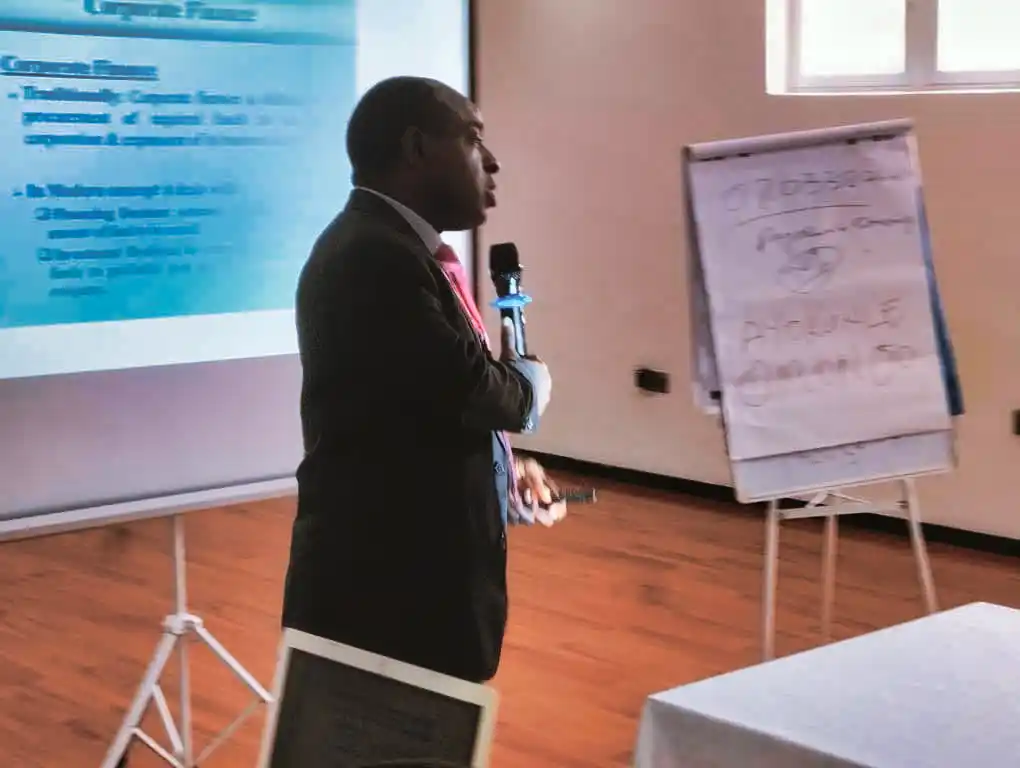
The final technical session of the program was led by Dr. Ogundeyi Adebayo, who provided a comprehensive overview of the Statement of Cash Flows. Dr. Adebayo emphasized that while accrual accounting is the standard, stakeholders still need to understand how cash is generated and used. This statement provides that crucial insight by classifying all cash movements into three key areas:
- Operating Activities: Cash flows from the principal revenue-producing activities.
- Investing Activities: Cash flows from the acquisition and disposal of long-term assets, such as infrastructure.
- Financing Activities: Cash flows from activities that change the size and composition of the entity’s borrowings and equity.
Participants learned how to prepare and analyze this statement to assess the NDDC’s ability to generate cash, meet its obligations, and fund its operations without relying on external financing.
Conclusion: A Strengthened Future for the NDDC
The conclusion of the two-day program marked a significant step forward in bolstering the financial capabilities of the NDDC. By moving from foundational principles to advanced practical application, the training provided a holistic and empowering learning experience. The skills gained will directly contribute to improved financial reporting quality, strengthened accountability, and better-informed strategic decisions. Philips Oyedele & Co. is proud to have been a partner in this important endeavor and remains committed to supporting the public sector in Nigeria.