


Introduction: A Commitment to Excellence in Public Finance
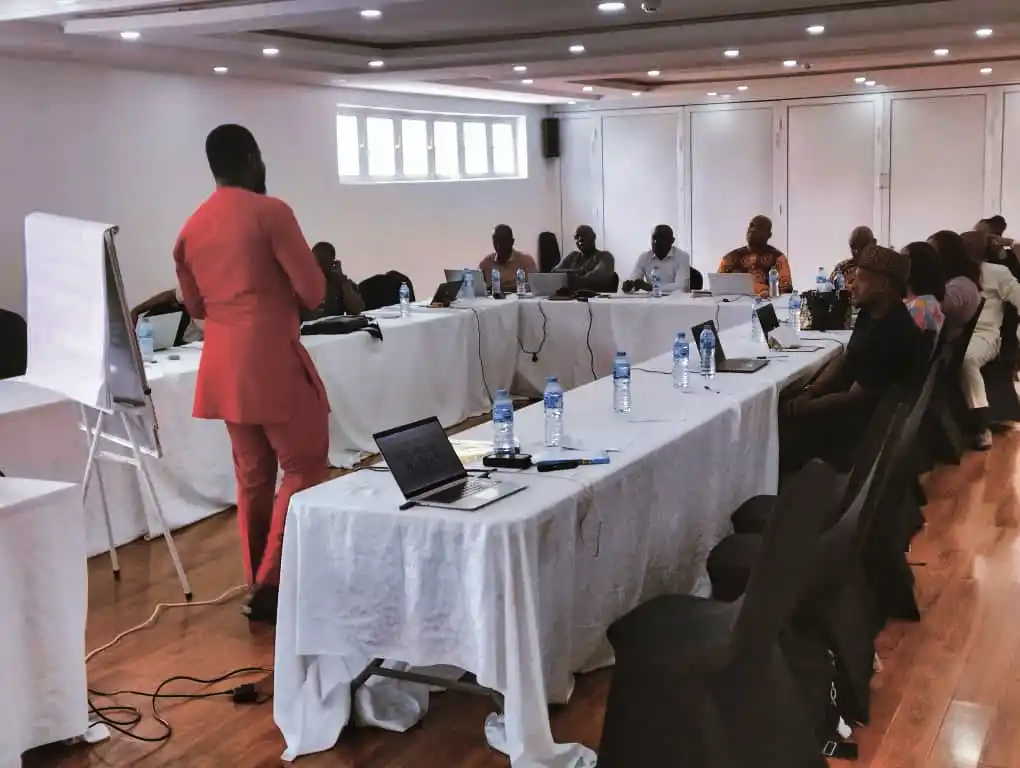
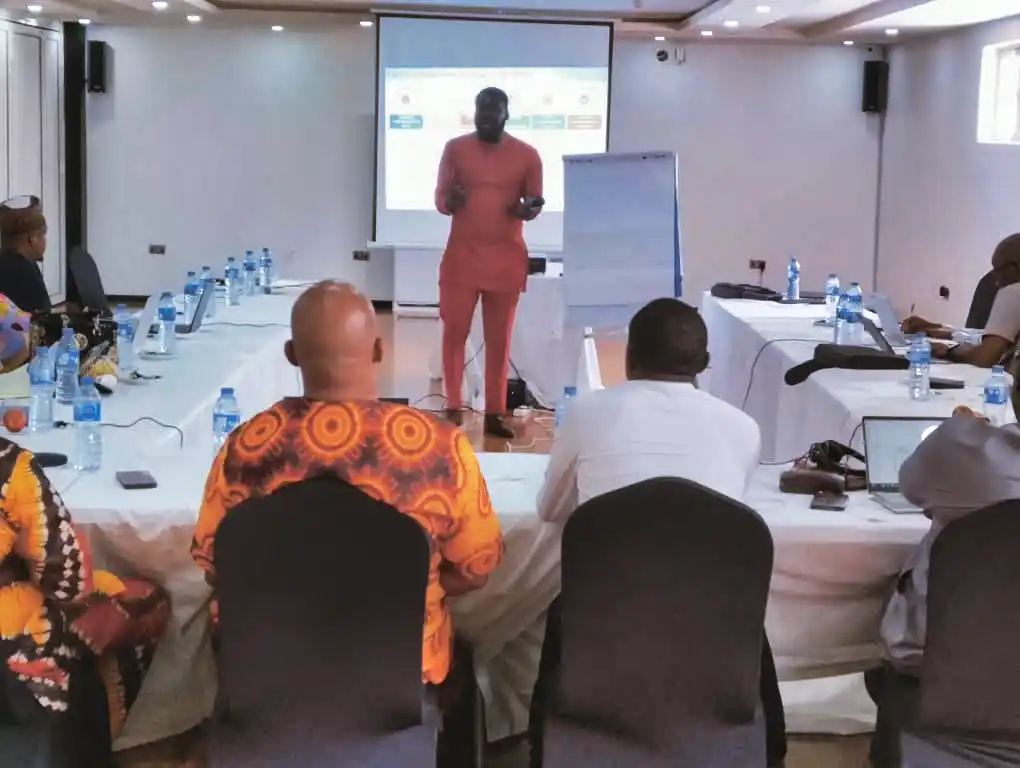
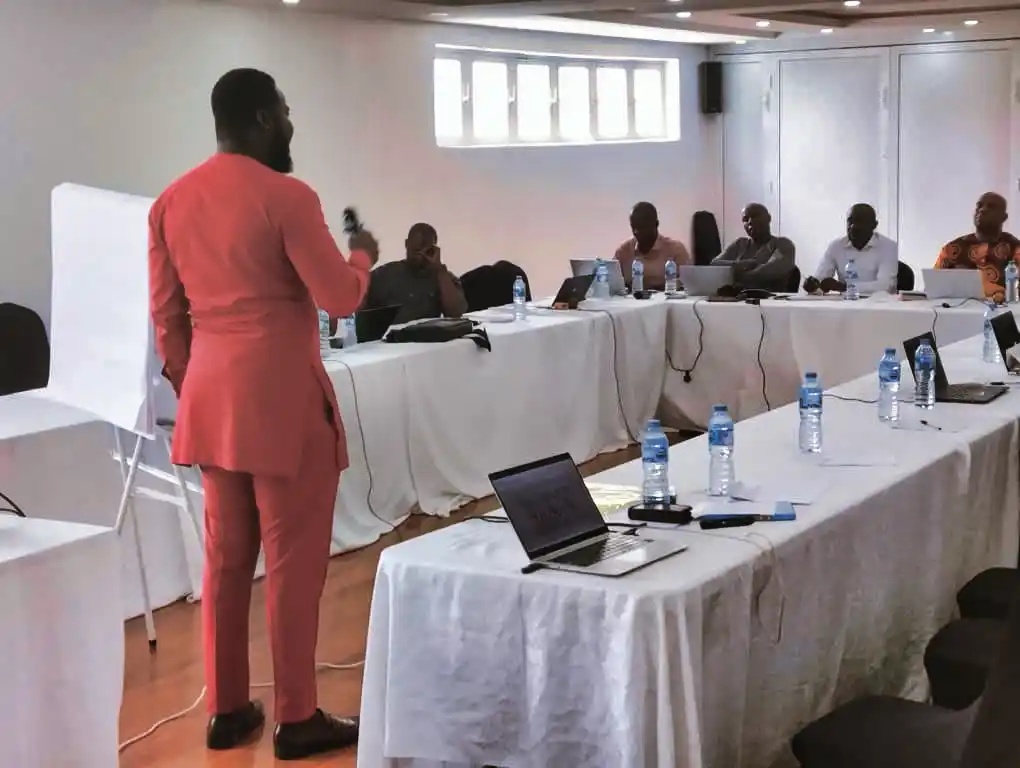
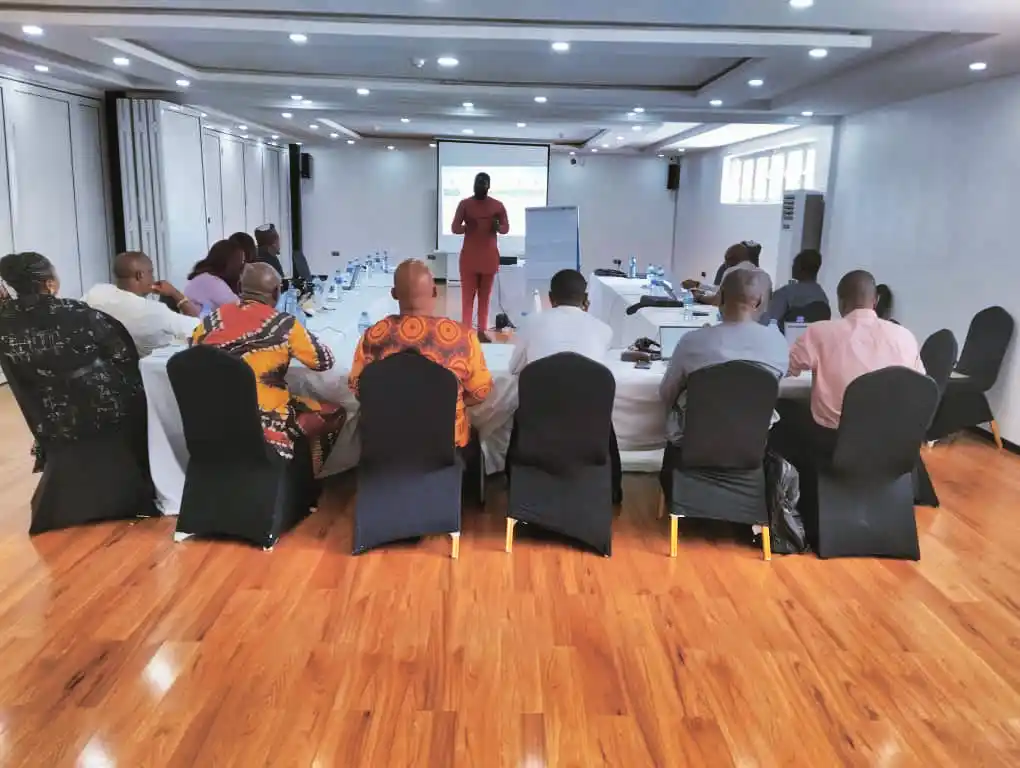
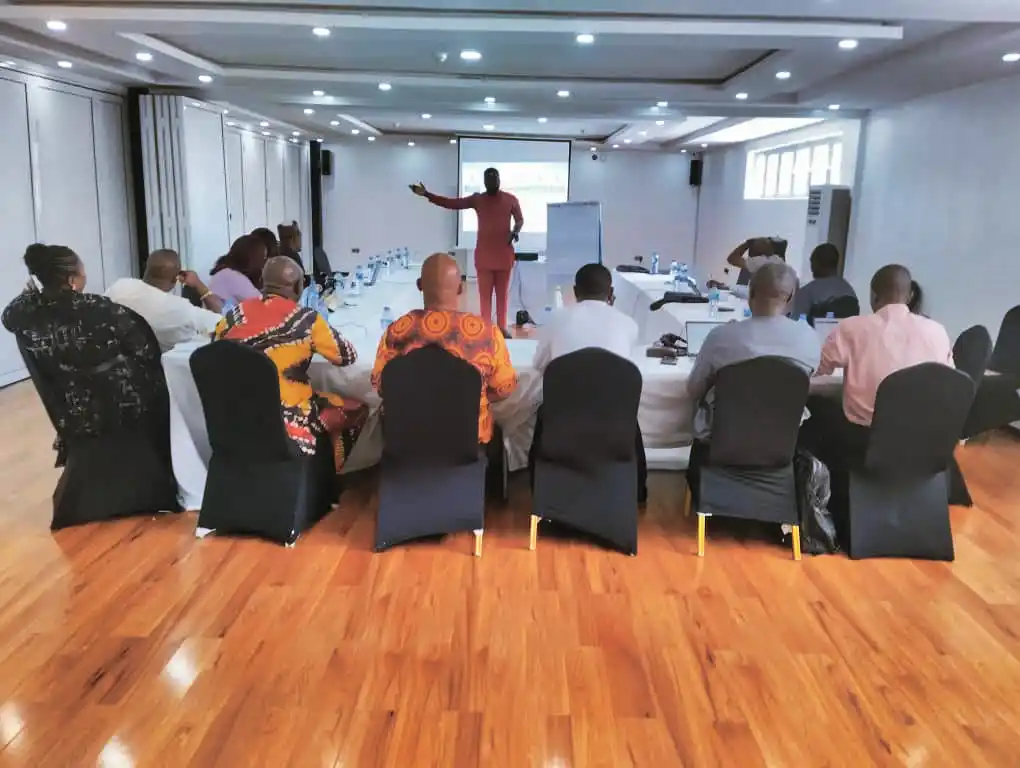
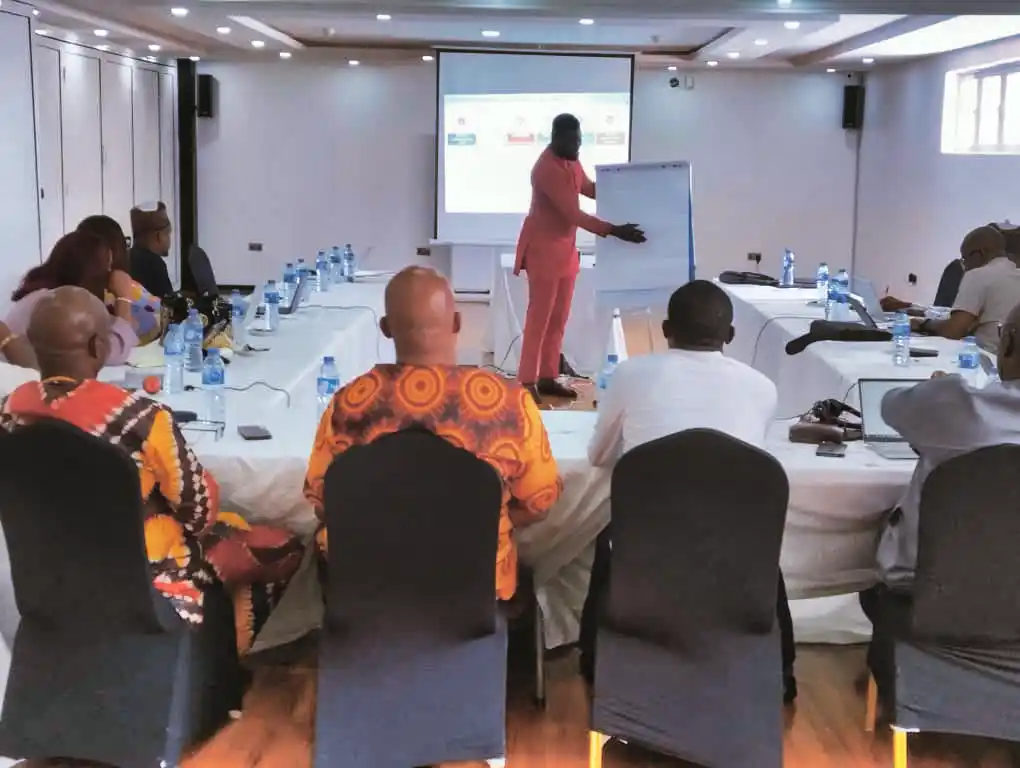
The Niger Delta Development Commission (NDDC) holds a mandate of critical importance to Nigeria’s development. To fulfill this mandate effectively and maintain unwavering public trust, the bedrock of its operations must be sound financial management and transparent reporting. Recognizing this, Philips Oyedele & Co. was proud to partner with the NDDC to conduct a comprehensive virtual training program focused exclusively on International Public Sector Accounting Standards (IPSAS).
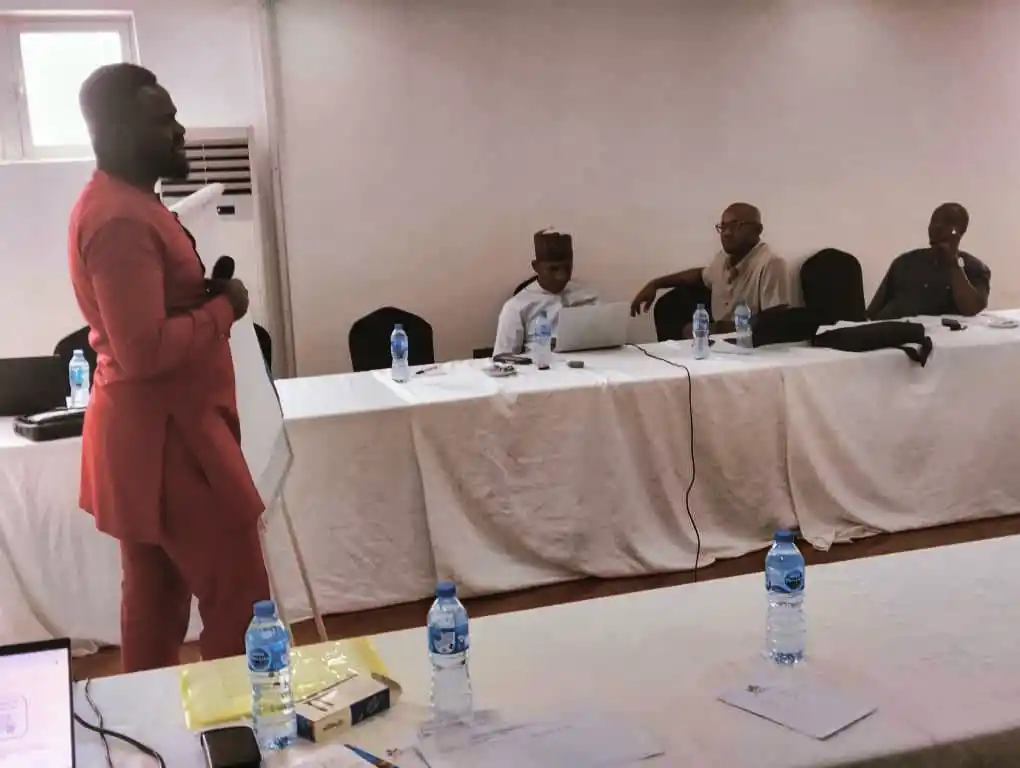
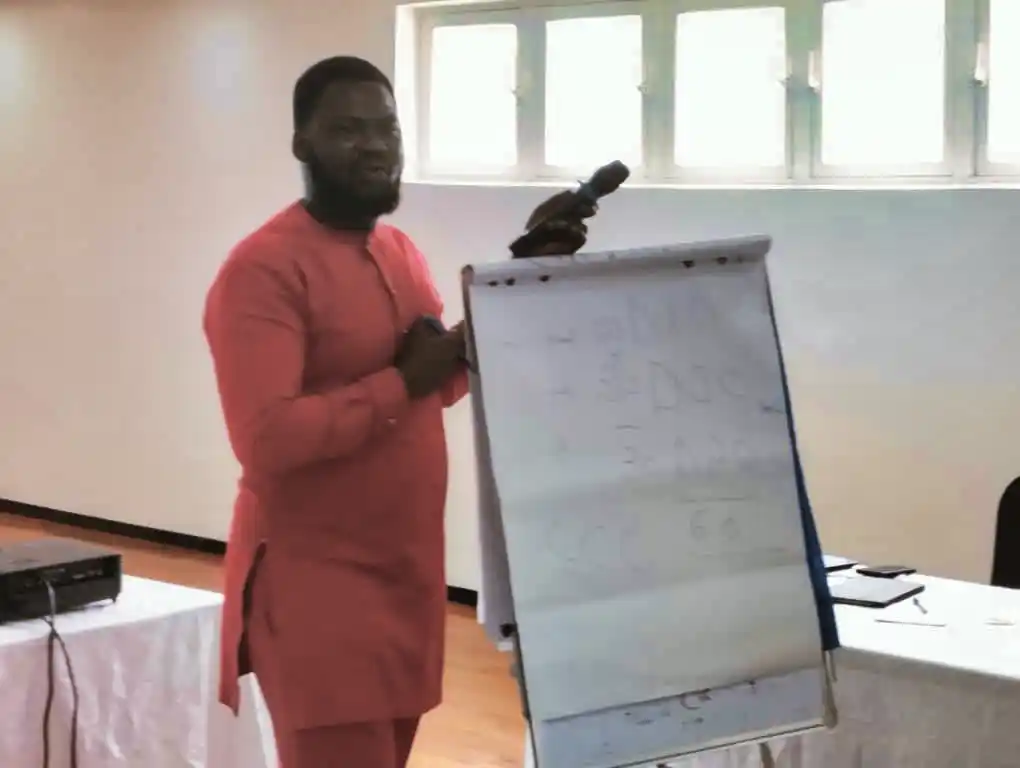
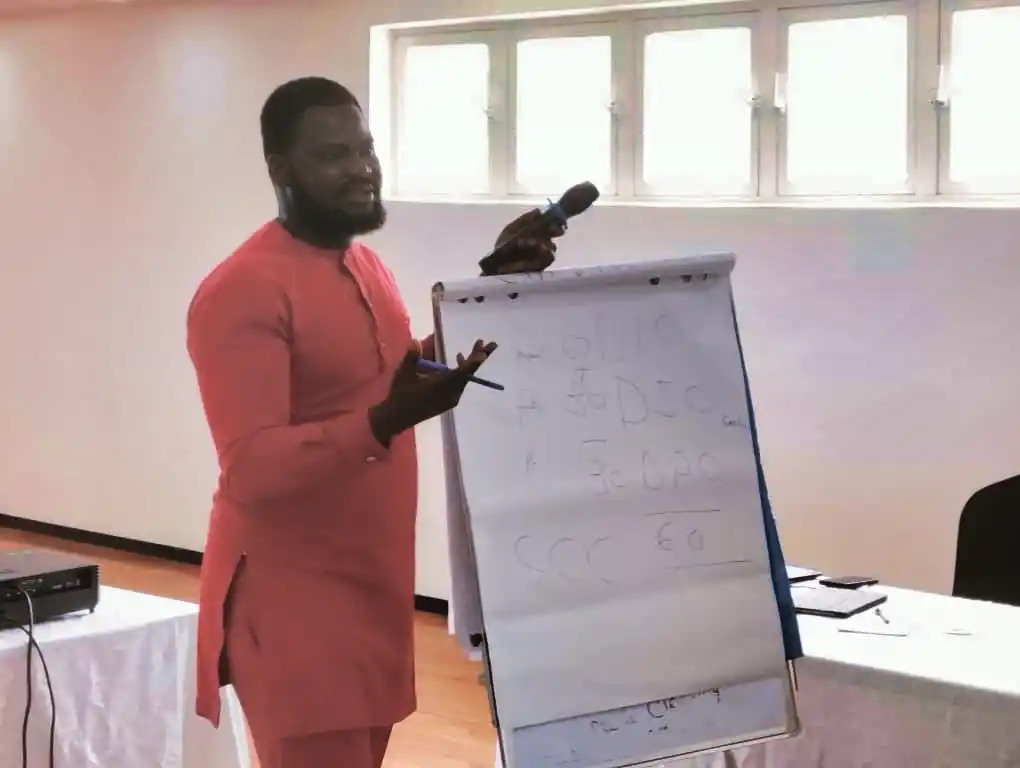
The first day of this intensive event, held on December 10th, 2024, was dedicated to establishing a robust understanding of the core principles of IPSAS. Our expert facilitators guided NDDC’s finance professionals through the foundational pillars of the framework, providing the essential building blocks for world-class financial reporting and accountability.
Session 1: Introduction to IPSAS – A New Paradigm for Public Sector Accountability
Led by Oyedele Philips Olabode (PhD in view, FCA, ACTI, ANMIN, FMBV)
The training commenced with a foundational session led by Dr. Oyedele Philips Olabode. This segment was designed to impress upon participants the philosophical shift that IPSAS represents. Dr. Olabode emphasized that IPSAS is not merely a set of rules but a commitment to a new standard of transparency and accountability in the management of public resources. A central theme was the critical transition from cash-basis to accrual-basis accounting, which provides a complete and faithful representation of a public entity’s financial position by recognizing transactions as they occur, a cornerstone of good governance.
Session 2: Statement of Financial Position & Accounting Policies – The Blueprint of Financial Health
Led by Chief OWOEYE Lekan Ezekiel (FCA)
Building on the introduction, Chief OWOEYE Lekan Ezekiel led an in-depth session on the Statement of Financial Position and the critical accounting policies that underpin it. Chief Ezekiel stressed that this statement is the primary document for assessing the financial health and resilience of a public entity.
The session meticulously detailed the current/non-current distinction for assets and liabilities. He provided practical examples relevant to the NDDC, explaining the principles of recognition, measurement, and depreciation for assets like infrastructure, and the importance of accurately measuring liabilities like loans and employee benefits. Chief Ezekiel also explained the importance of selecting and consistently applying sound accounting policies, clarifying what information must be presented on the face of the statement versus what can be detailed in the notes to ensure full transparency.
Session 3: Statement of Financial Performance – Measuring a Year of Public Service
Led by Seun Adebiyi (MSc., BSc., FCA, ACTI)
The final session of Day 1, led by Seun Adebiyi, focused on the Statement of Financial Performance. This statement measures an entity’s financial results over a specific period. Mr. Adebiyi explained how this statement tells the story of how an entity managed its resources over the year, resulting in either a surplus or a deficit. The session detailed the recognition of revenue from both exchange and non-exchange transactions (such as taxes and grants) and the proper recognition of expenses. He emphasized that a public sector “surplus” is not profit but an indication of resource management, providing the tools to accurately report on and analyze the operational and financial performance of the NDDC.